Load Ledger
~200 GW sits in the Texas large-load queue. Most of it is phantom. I tell you which is real.
From the permits, dockets, and filings — before the RFP exists. Every project scored, dated, and sourced to a document.
Who reads Load Ledger
First-mover contact on behind-the-meter gas campuses before a supply RFP exists.
$2–4M/yr margin per won supply contract
The negotiated-work window during permitting — before it hits public bid.
One $3–5M package pays for years of this
A verified pipeline by county and MW — quote the campuses that actually get built.
Fewer dead pursuits, earlier specs
Deal flow from first filing, and the discipline to not underwrite a phantom.
Dated, document-backed diligence
Which rival sites have real paper — permits, water, abatement — before it's public.
Site intel your competitors don't have
Projects at the filing stage where your work is scoped — before the end user is named.
Pipeline before the RFP lands
What one entry looks like
Illustrative of the weekly format. Every score derives from filed public documents and updates as new paper appears — the chain is always shown, never a bare assertion.
In every issue
- The LeadOne project worked end to end — parent named, site located, the read.
- New PaperThe week's filings by county, MW, and applicant.
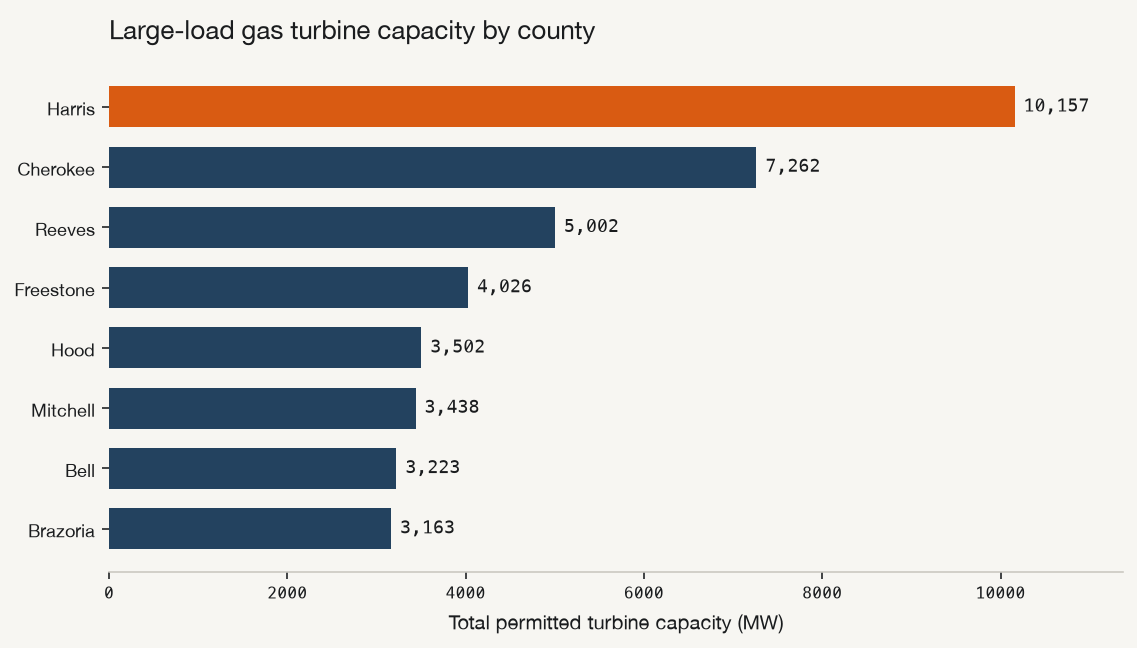
- The ChartOne visual, from the data above.
- Docket WatchPUCT / TCEQ deadlines and comment windows, with act-by dates.
- Phantom FileOne project that lost points.
The part people forward. Each week I name a project that's announced but has no permit, water, or abatement paper behind it — so you stop spending payroll chasing a ghost. Avoided pursuit cost is the one ROI that's certain.